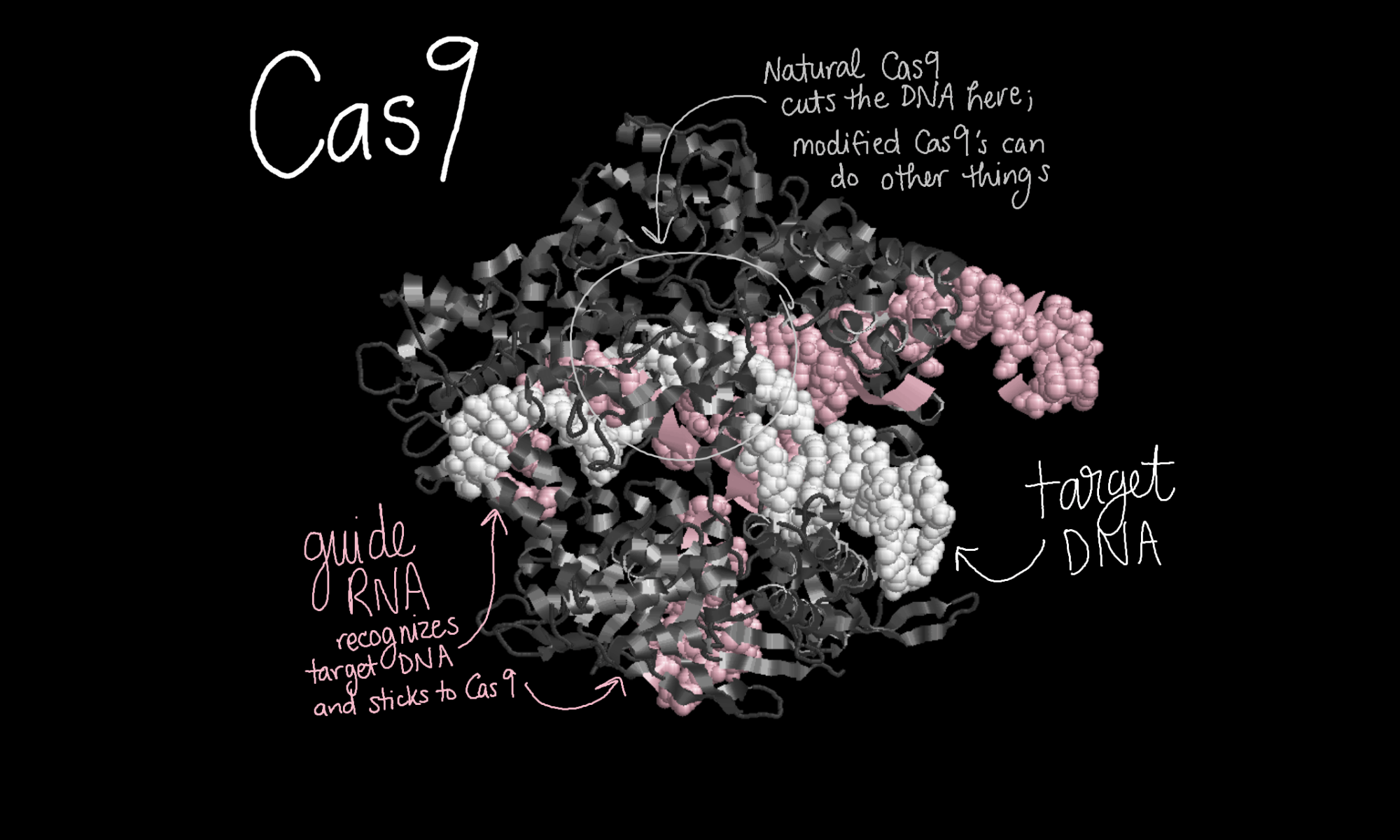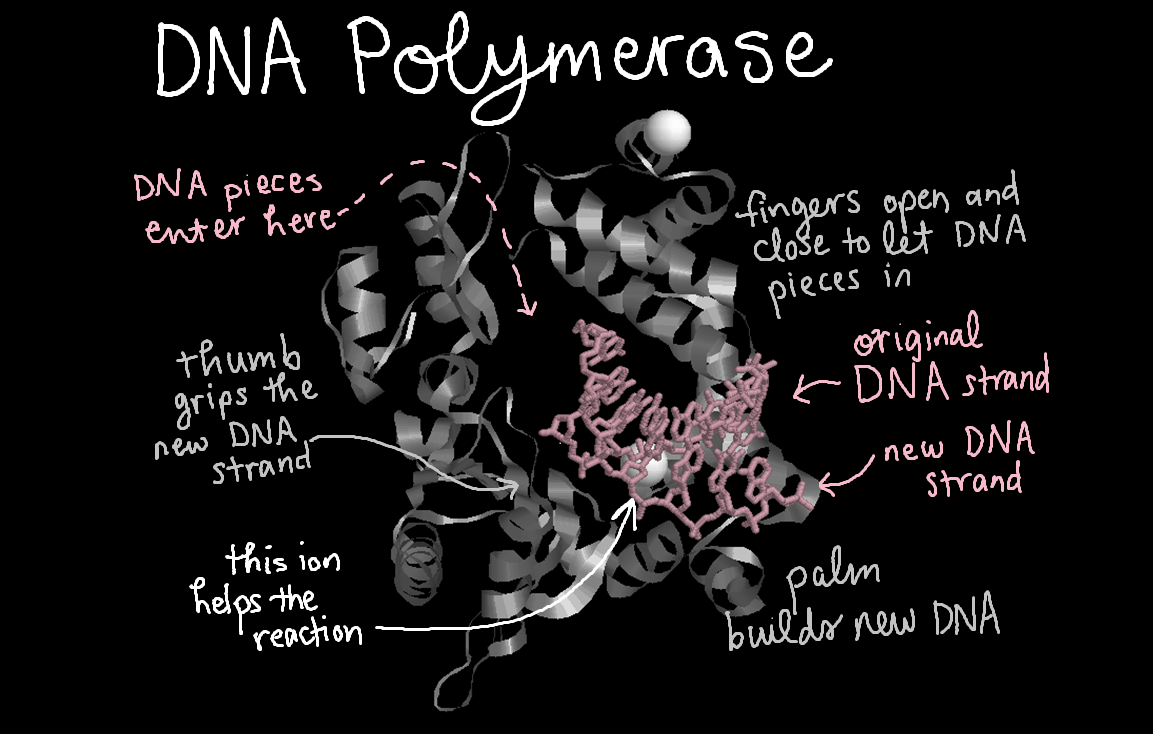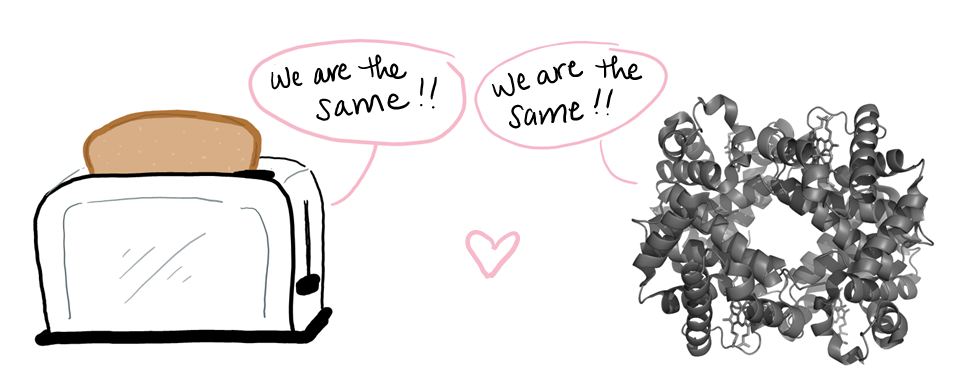
Meet Cas9!

You may have heard of Cas9 before in discussions and news about gene editing with CRISPR! (The two women who established how to use CRISPR-Cas9 in the lab won the 2020 Nobel Prize in Chemistry.) In nature, CRISPR is a bacterial acquired immune system. It recognizes invading DNA, like from viruses for example, and "saves" …

Meet E Cadherin!

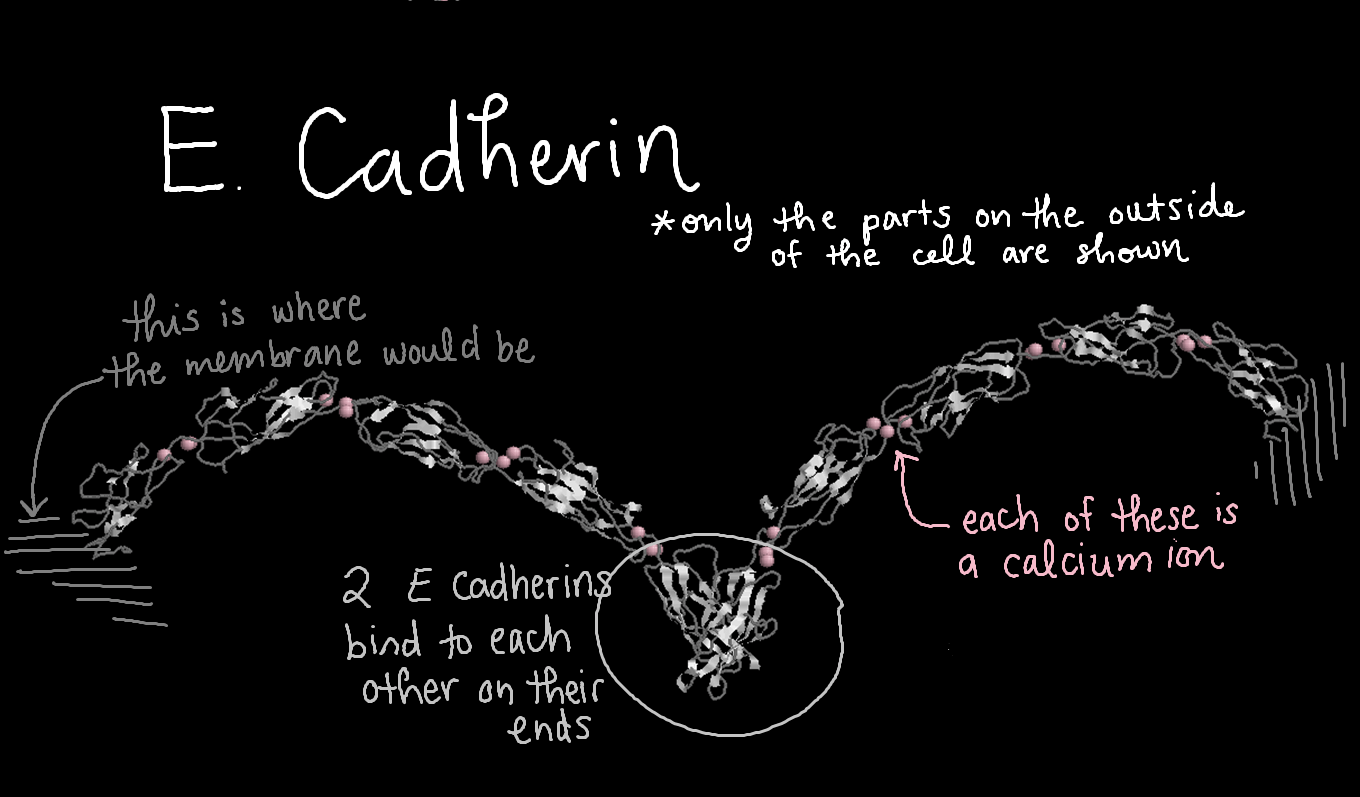
E Cadherin is a membrane protein that helps cells stick to other cells at cell junctions. Cell junctions are critical for forming and maintaining healthy tissues. Could you imagine if your skin cells suddenly couldn't stick together?! E Cadherin is one of the proteins that makes sure our skin, and every other part of our …

Meet ATP Synthase!

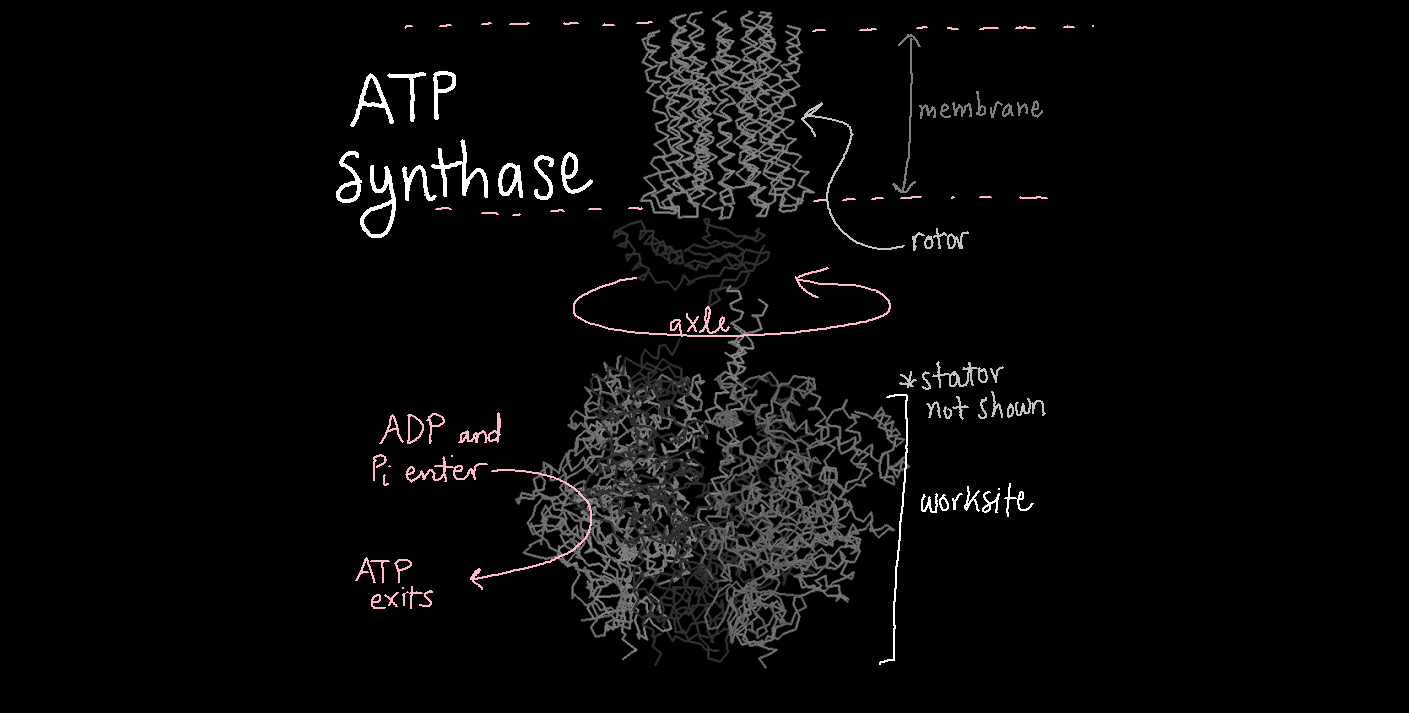
ATP synthase is a really, really important protein for life. That's because it makes ATP molecules, which are like the energy currency of the molecular world. (Essentially, ATP = Energy!) As you may expect, ATP synthase works in the inner membranes of mitochondria. If mitochondria are the powerhouses of the cell, ATP synthase is the …

Meet IgG!

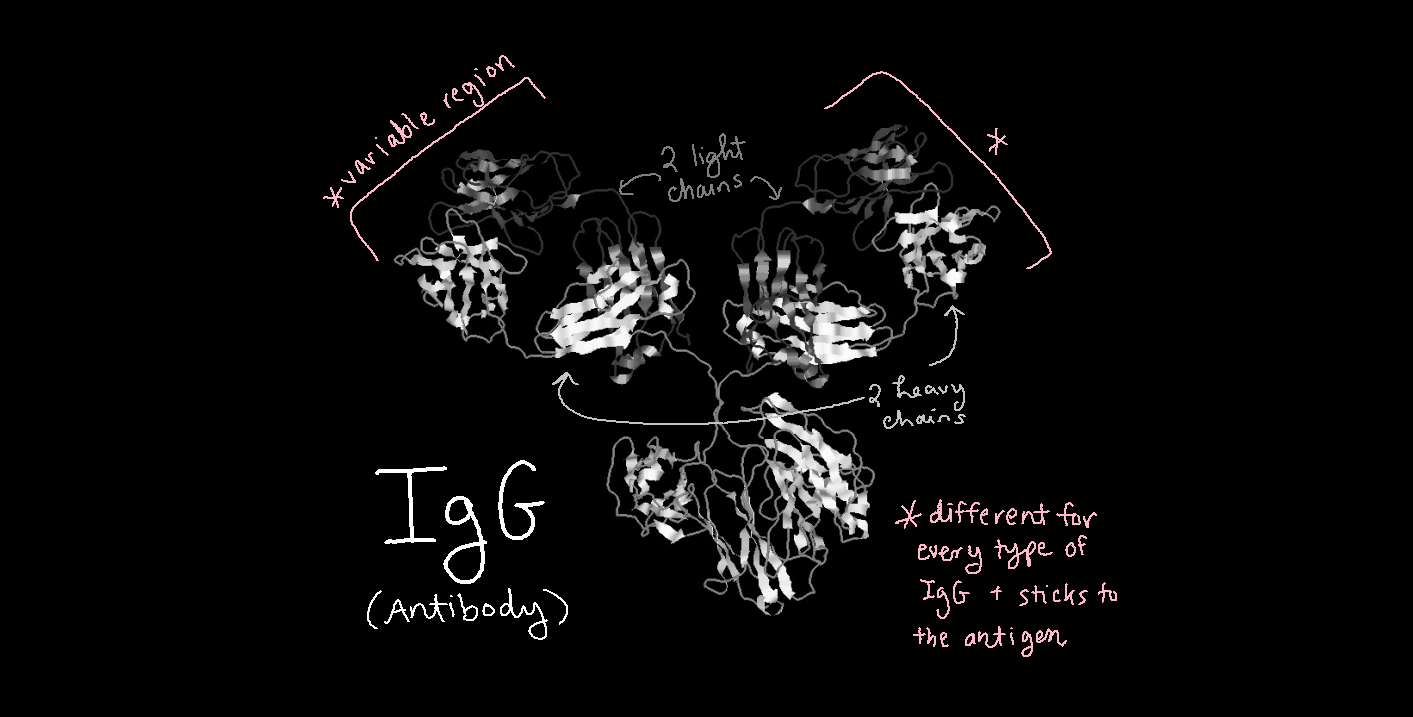
IgG is an abbreviation for immunoglobulin G. IgG is in the antibody family of proteins along with IgM, IgA, IgD, and IgE. Antibodies are proteins made by immune cells to recognize foreign objects in the body. They are secreted into the blood and circulated throughout the body so they can find those foreign objects. Each …

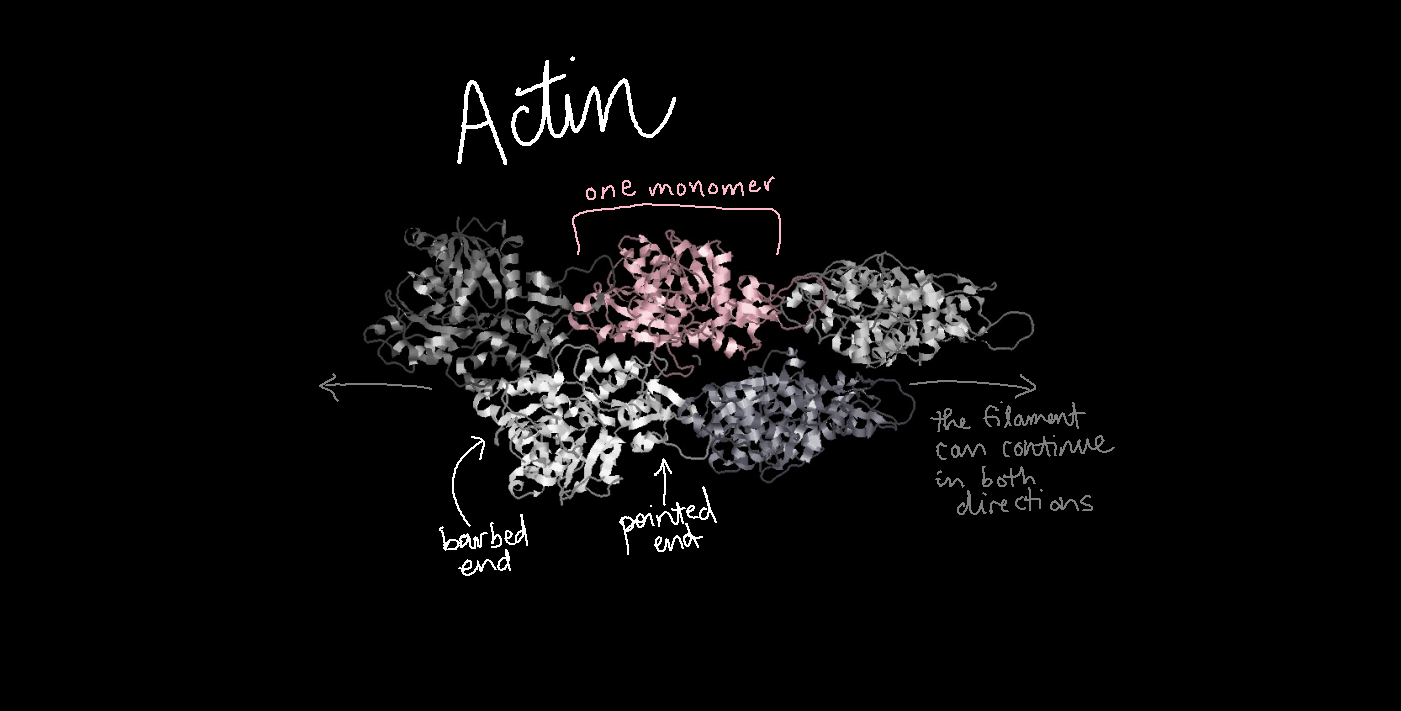
Meet Actin!

There is more actin in an animal or plant cell than any other protein. This is because actin is an important component of the cell's cytoskeleton. Individual actin proteins string together to form actin filaments, sometimes called microfilaments. Much like your skeleton does for you, actin filaments in the cytoskeleton help the cell keep its …

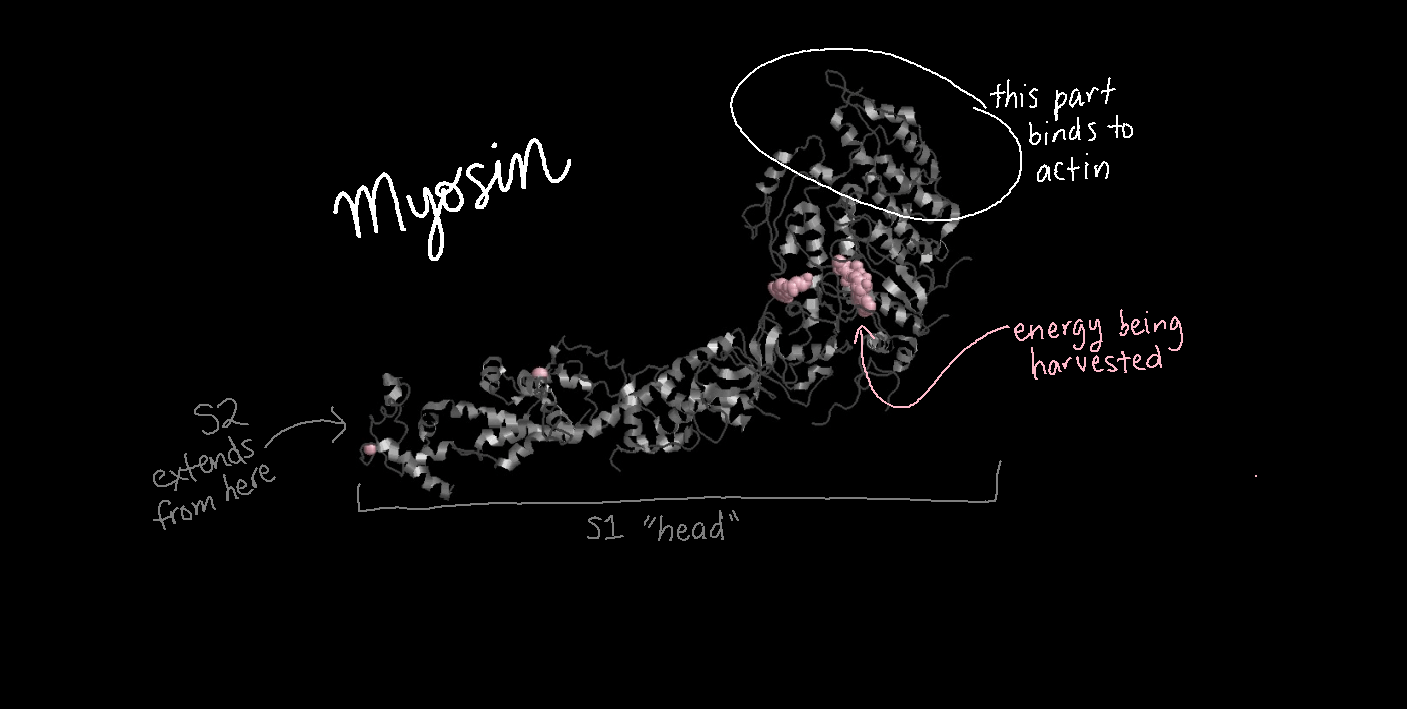
Meet Myosin II!

Myosin II is a motor protein, which means it converts chemical energy into a mechanical response. Myosin II is a member of the myosin superfamily, and like its relatives, myosin II "walks" along tracks made of actin (learn about actin here). Myosin walks on actin. Myosin II is categorized as a muscle myosin because it …