Words can take on different connotations and even meanings in different spaces. Right now, you and I have the ability to communicate with each other because we have agreed that certain words have certain meanings. When I say, "cloud," you know that I am talking about a white or grey, fluffy-looking mass of water vapor …
What “Lessons in Chemistry” Says About Religion
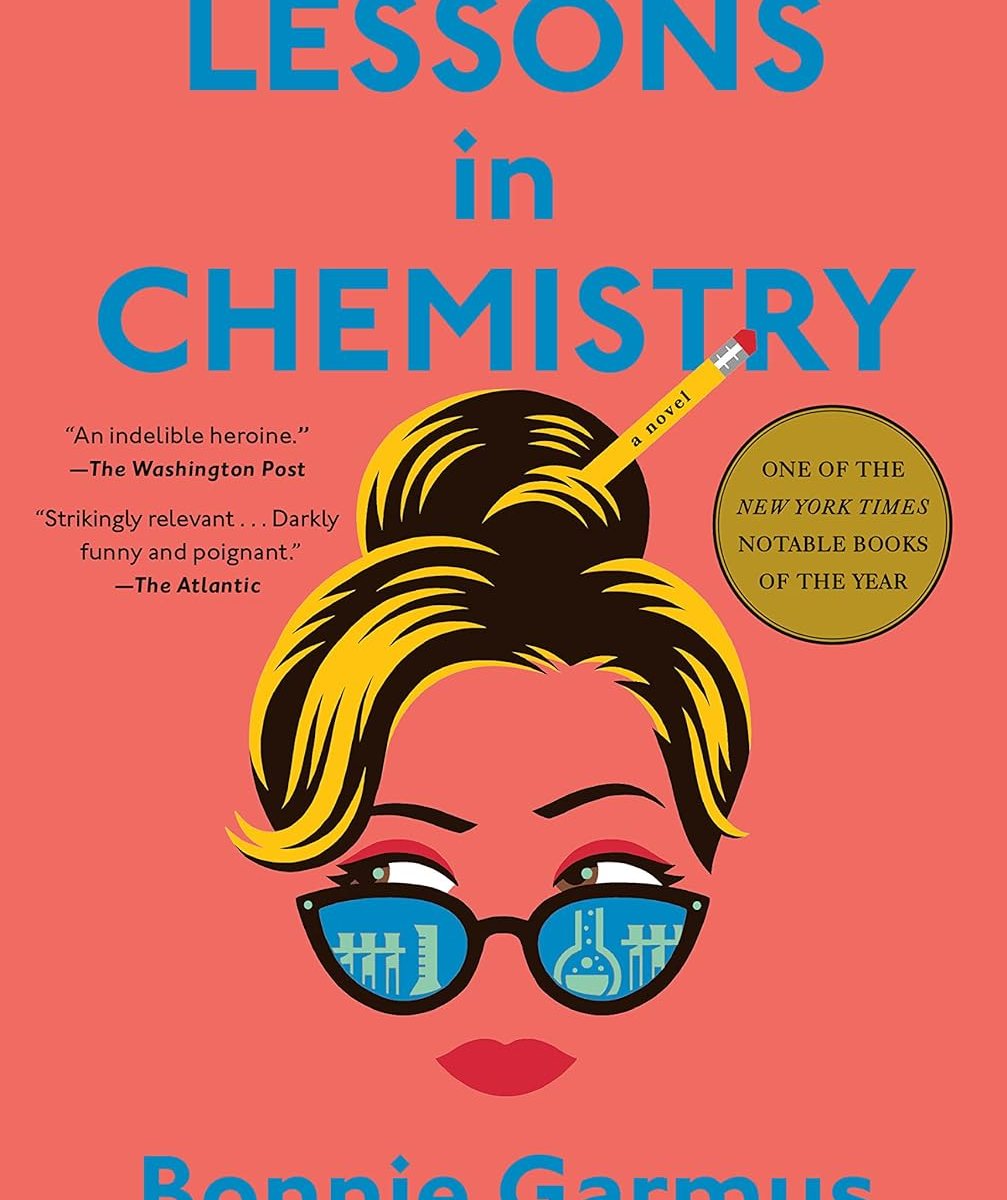
Bonnie Garmus' novel Lessons in Chemistry tells the story of a confident, young female chemist named Elizabeth Zott. The book primarily takes place in the early 1960s but also slowly reveals the characters' pasts throughout. Lessons in Chemistry has become popular since its release in early 2022. A year after it came out, the waitlist …
Continue reading "What “Lessons in Chemistry” Says About Religion"
Meet Connexin-43!
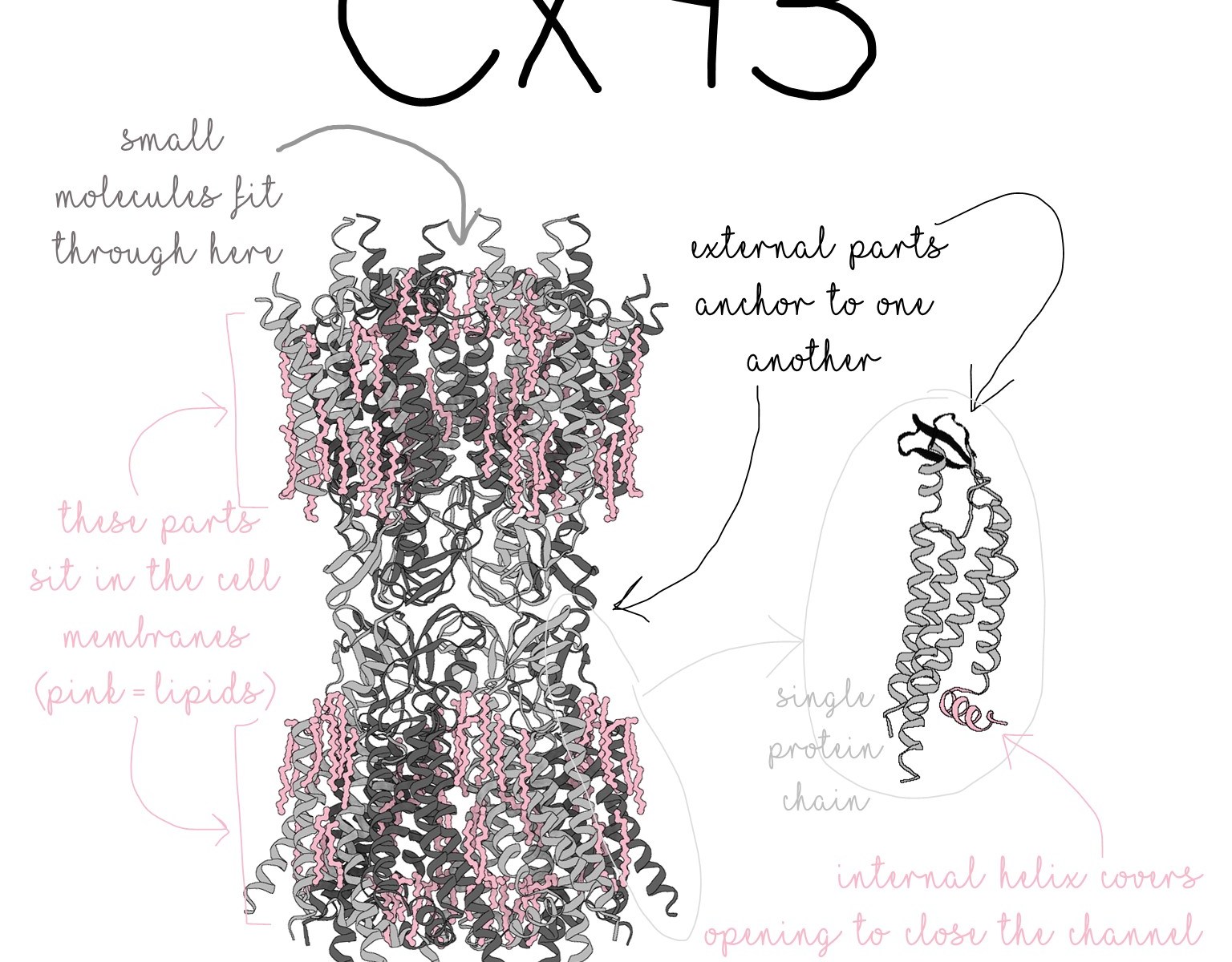
Scientists nickname Connexin-43 "Cx43" or sometimes "GJA1" (gap junction A1). You know how the uterus has to contract all at once during labor? Or how whole chambers of the heart need to contract together to pump blood? Cx43 is a critical protein for making that happen! Cx43 is part of the connexin family of proteins. …
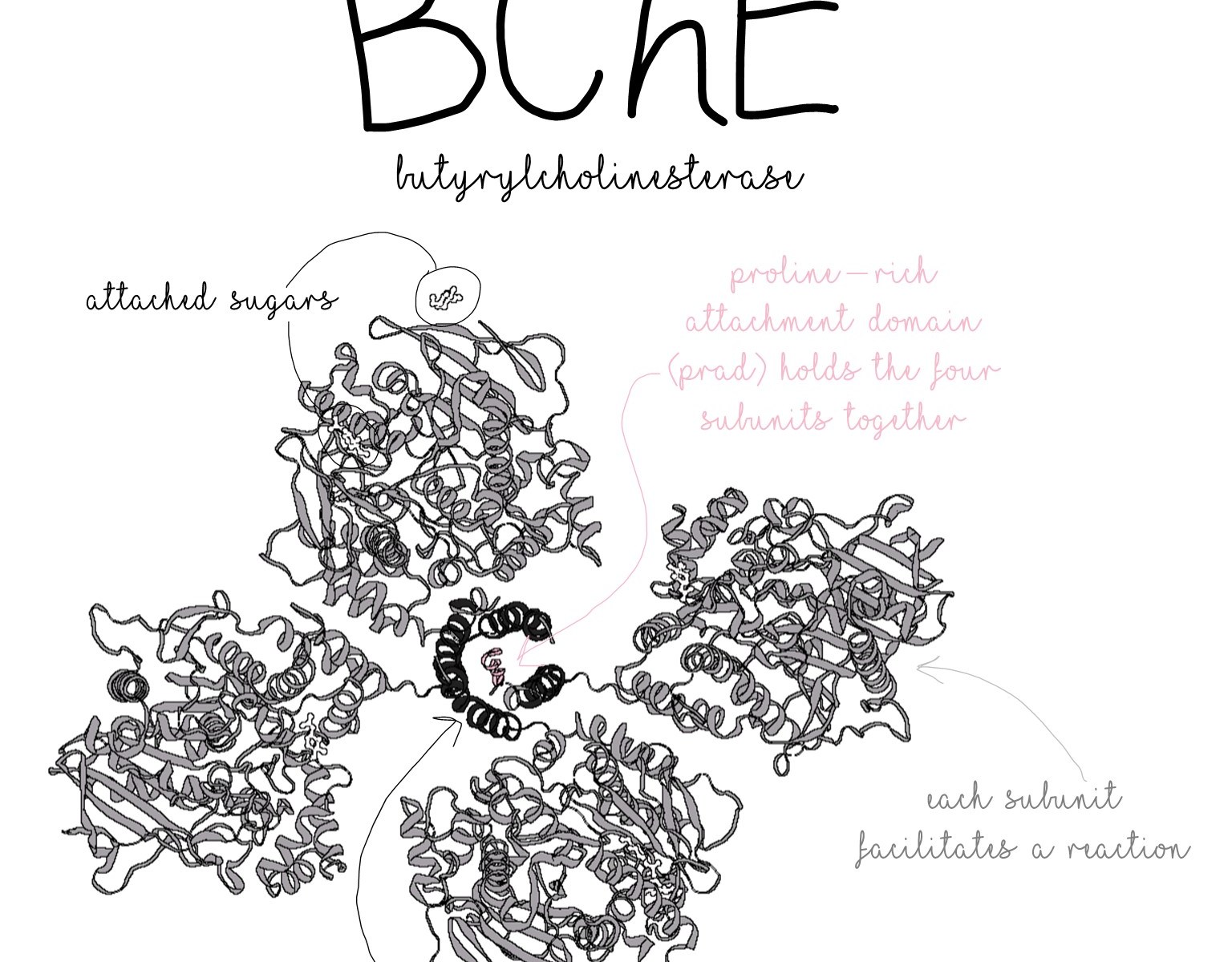
Meet BChE!
Meet butyrylcholinesterase! Better known as BChE, butyrylcholinesterase was recently identified as a possible indicator of SIDS risk (scientists are not sure about this quite yet). SIDS (sudden infant death syndrome) can occur in a vulnerable infant during a critical developmental period when they experience an outside stressor.* A lot of research efforts have been invested …
Define Your Terms: Belief
Words can take on different connotations and even meanings in different spaces. Right now, you and I have the ability to communicate with each other because we have agreed that certain words have certain meanings. When I say, "cloud," you know that I am talking about a white or grey, fluffy-looking mass of water vapor …
Why Science and Faith Need Each Other
We have a lot in common after all. As both a scientist and a "religious person," Elaine Howard Ecklund's research focus is particularly interesting to me: what scientists and religious people think about each other (and also what they think the other thinks about them).* In Why Science and Faith Need Each Other, she answers …
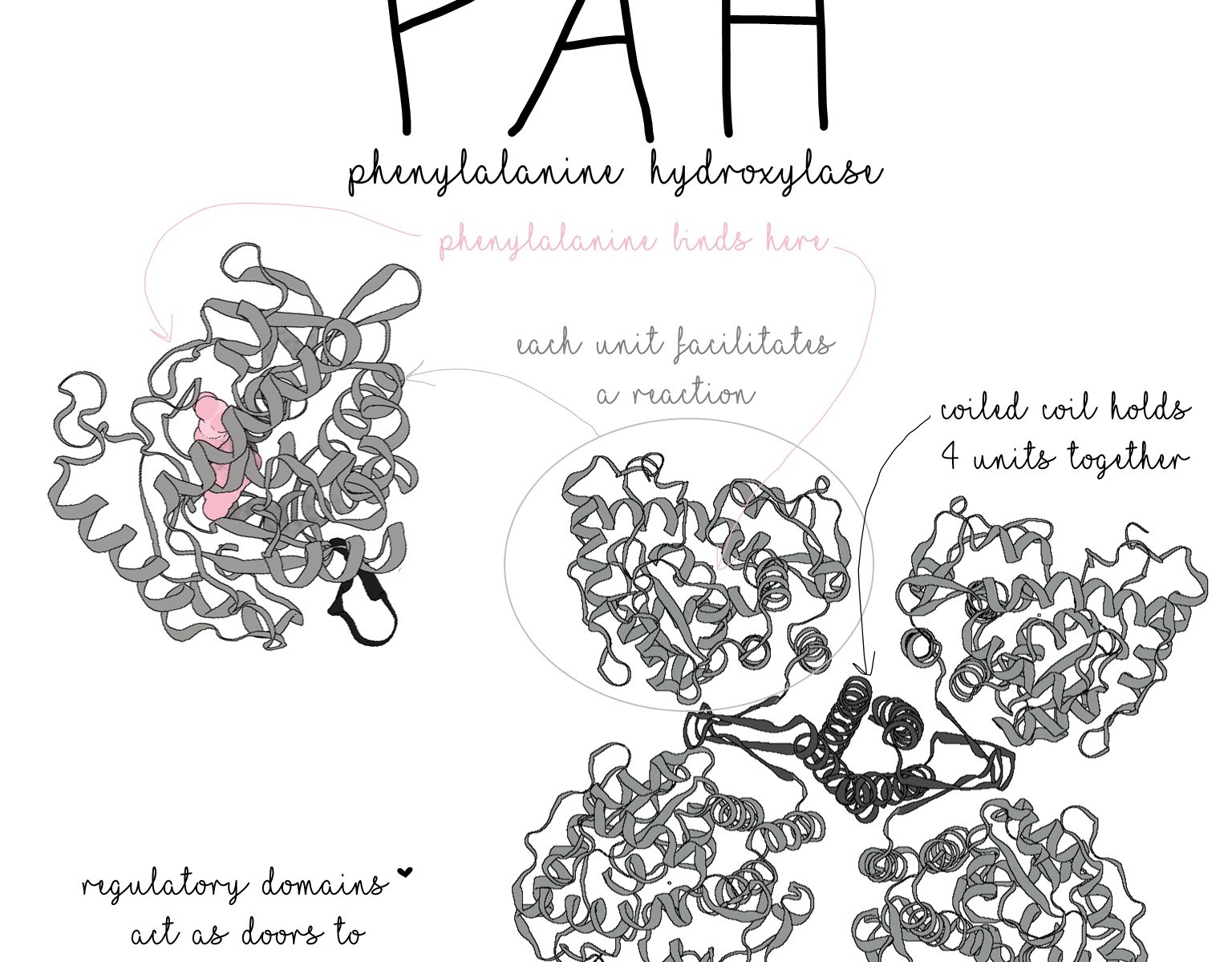
Meet PAH!
As part of their check-up at birth, babies get a prick on the heel. Among many other things, the blood tests for the function of a protein called phenylalanine hydroxylase. (Scientists sometimes call it "PAH" for convenience.) PAH is the first in a sequence of enzymes that break down excess phenylalanine. It speeds up the …
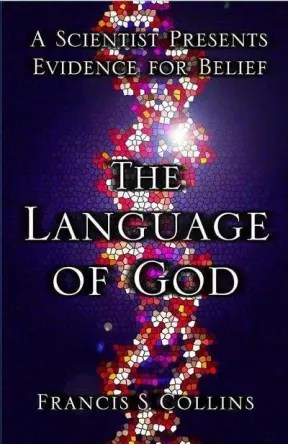
The Language of God
The book that started it all. When I was in high school, I was troubled by a common idea in Christian circles: science was for atheists. But... I liked science a lot. I also believed in Jesus. What I knew about the God of the Bible just didn't seem to go against what I knew …
Define Your Terms: Evolution
Words can take on different connotations and even meanings in different spaces. Right now, you and I have the ability to communicate with each other because we have agreed that certain words have certain meanings. When I say, "cloud," you know that I am talking about a white or grey, fluffy-looking mass of water vapor …
Meet hCG!
Pregnancy can be detected by looking for the glycoprotein human chorionic gonadotropin, which functions as a hormone. After an egg has been successfully fertilized, the resulting cell multiplies into a mostly hollow ball of cells called a blastula. Trophoblast cells, the cells on the exterior of the blastula, make and secrete hCG when the blastula …