We live in an amazing world! When we dig into the details of nature, we find things that surprise us, make us curious, and often leave us bewildered. Even our best scientists only understand small pieces of the complexity of the world. I believe that there is a God who not only understands it all, …
Why We Don’t Digest Ourselves
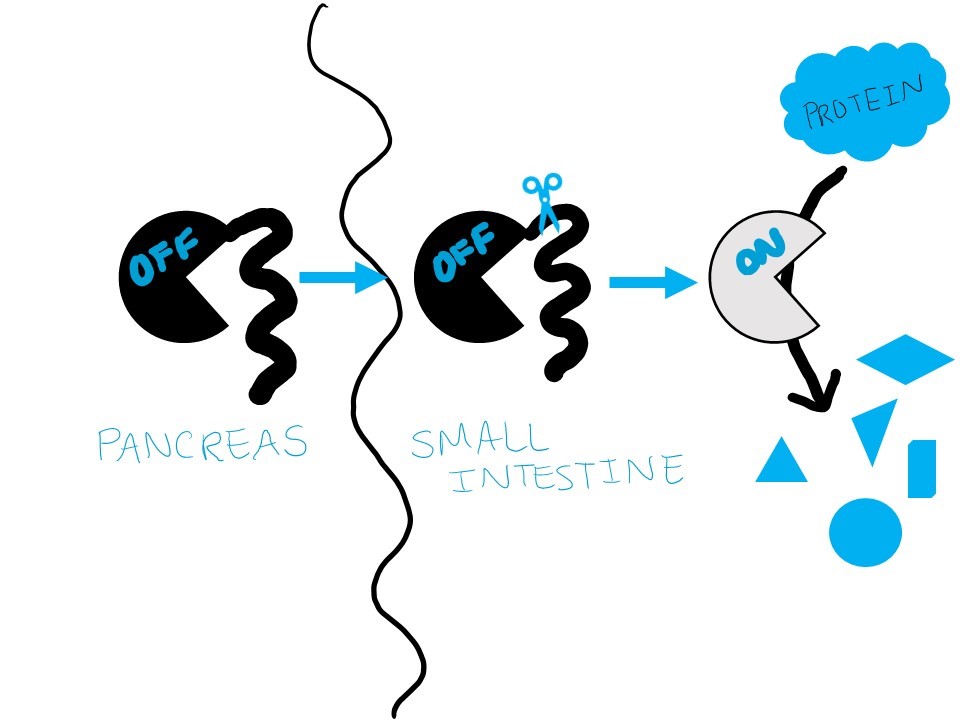
We live in an amazing world! When we dig into the details of nature, we find things that surprise us, make us curious, and often leave us bewildered. Even our best scientists only understand small pieces of the complexity of the world. I believe that there is a God who not only understands it all, …
Jesus Was Made of Chemicals
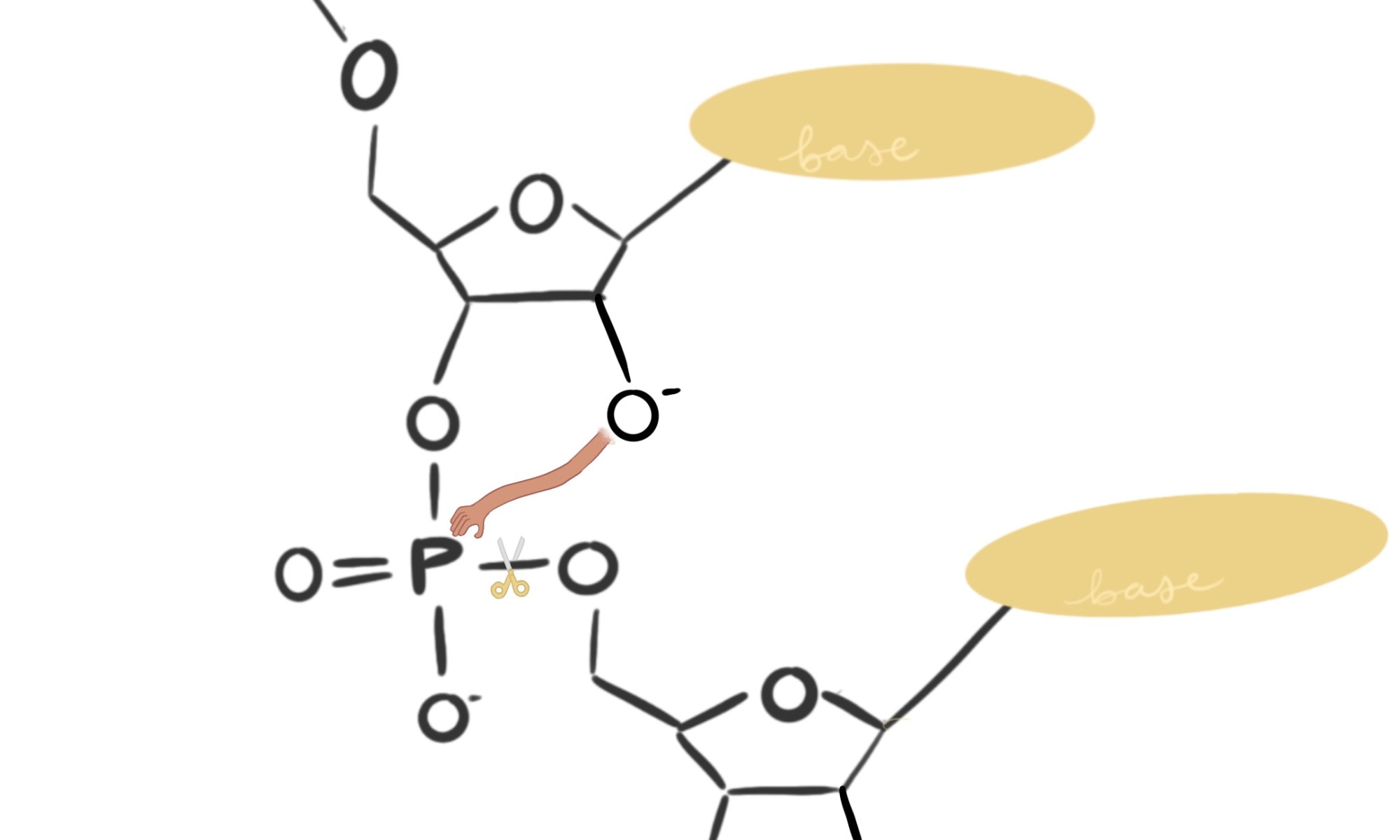
Scripture describes Jesus Christ as being both fully God and fully human. So, while Jesus as God the Son has existed since before the creation of the world (John 1:1-4), when little baby Jesus was conceived here on earth, he took on a physical body (Hebrews 2:17-18). Physical Body, Chemical Parts Human bodies are made …
Meet Connexin-43!
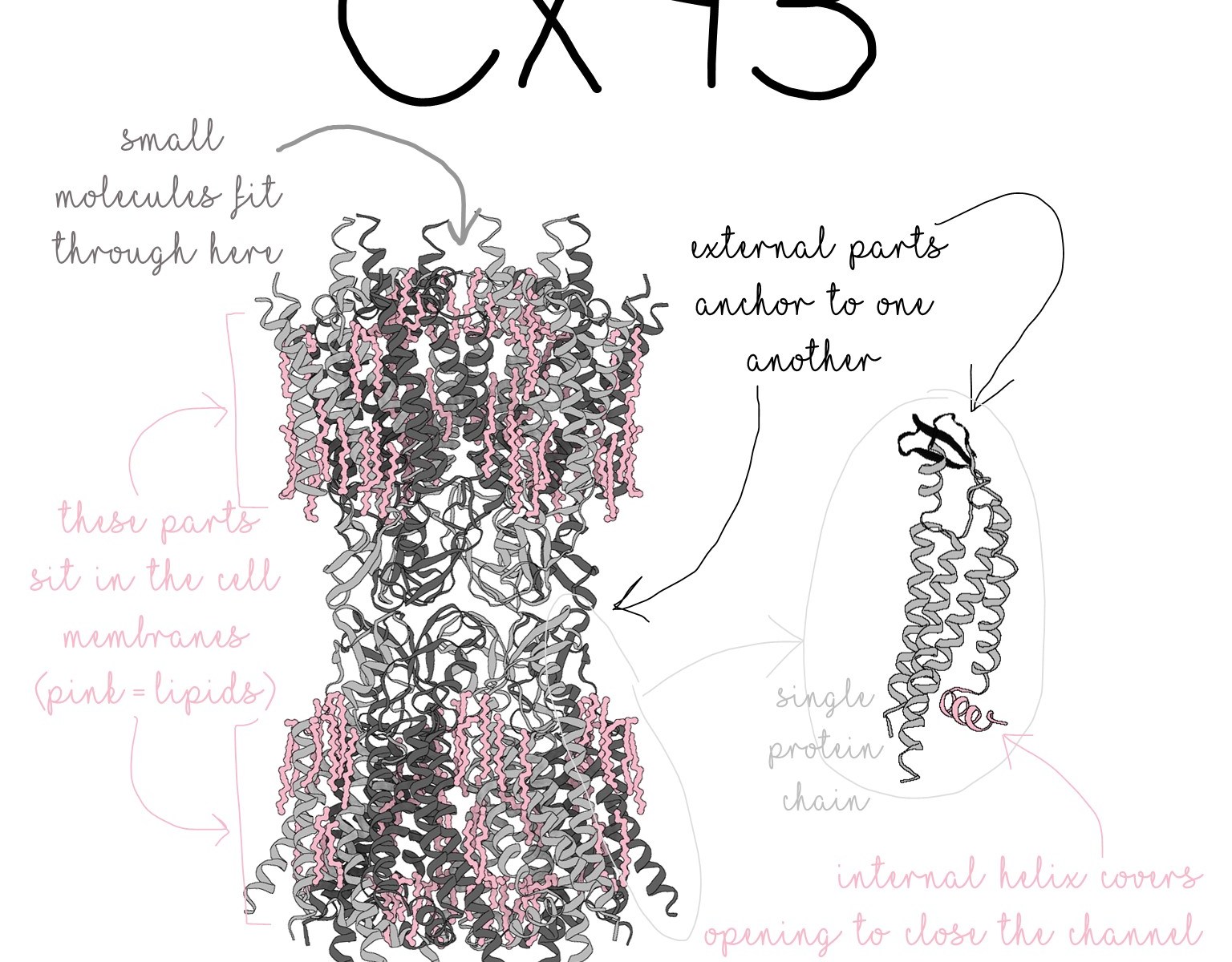
Scientists nickname Connexin-43 "Cx43" or sometimes "GJA1" (gap junction A1). You know how the uterus has to contract all at once during labor? Or how whole chambers of the heart need to contract together to pump blood? Cx43 is a critical protein for making that happen! Cx43 is part of the connexin family of proteins. …
Meet BChE!
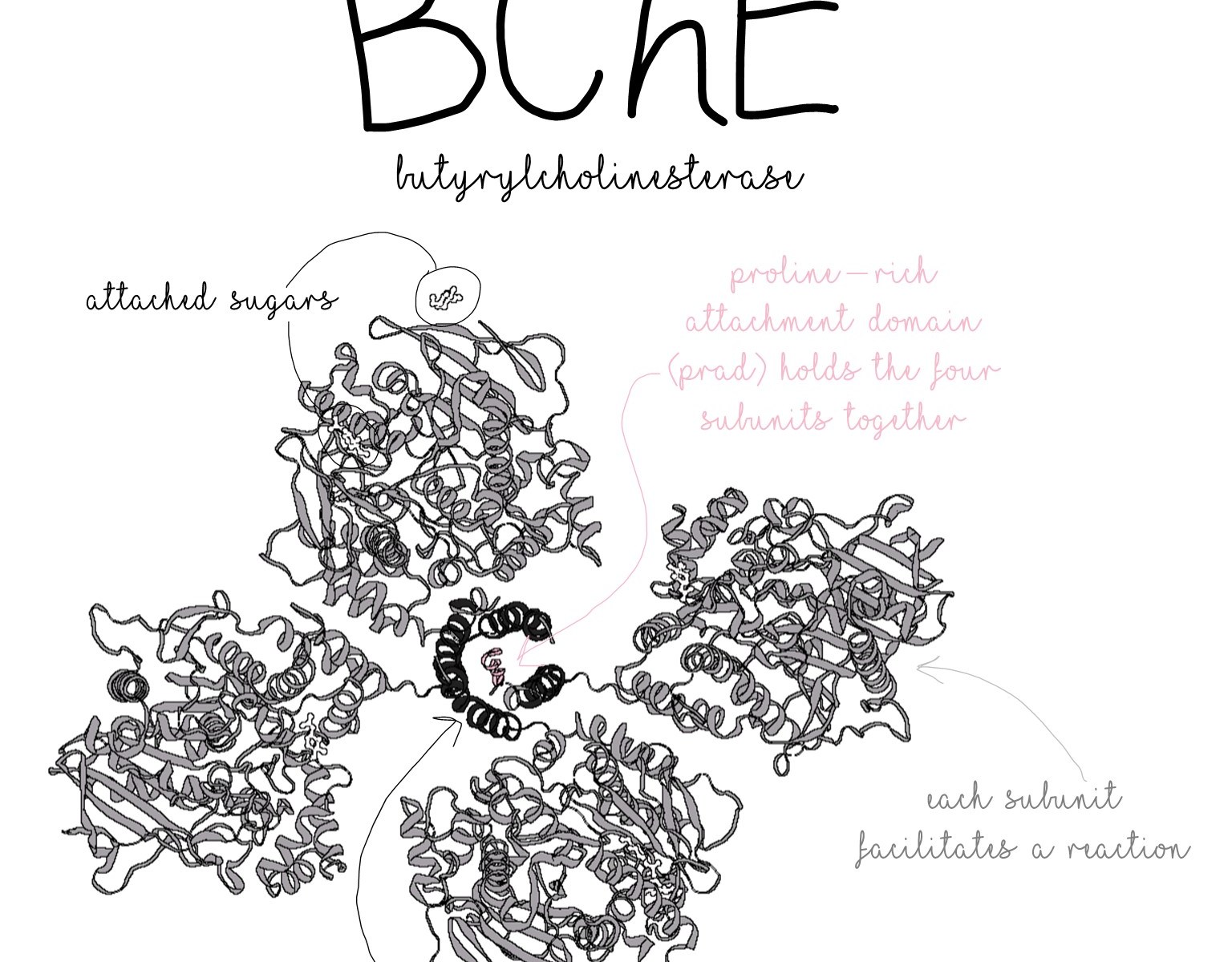
Meet butyrylcholinesterase! Better known as BChE, butyrylcholinesterase was recently identified as a possible indicator of SIDS risk (scientists are not sure about this quite yet). SIDS (sudden infant death syndrome) can occur in a vulnerable infant during a critical developmental period when they experience an outside stressor.* A lot of research efforts have been invested …
Meet PAH!
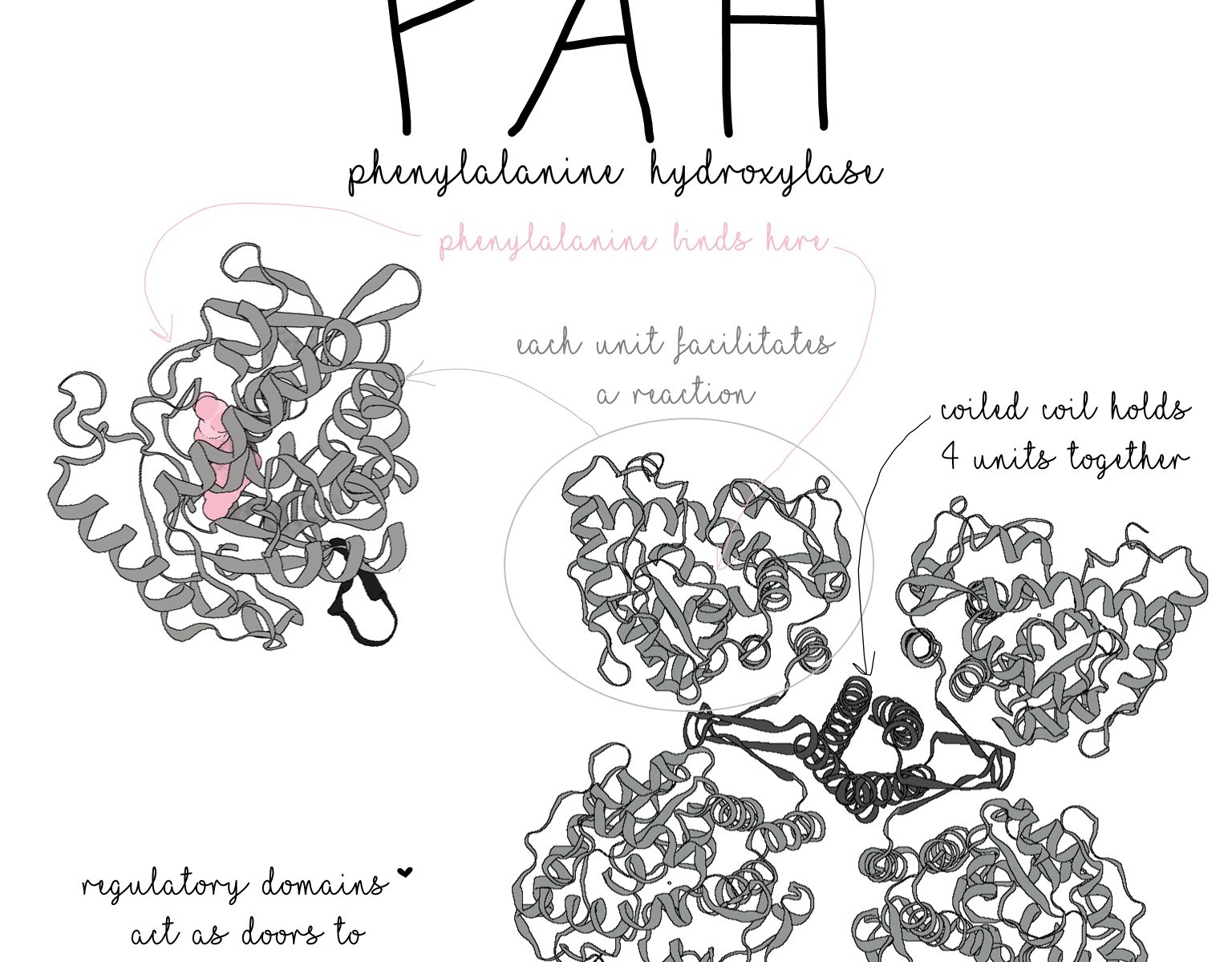
As part of their check-up at birth, babies get a prick on the heel. Among many other things, the blood tests for the function of a protein called phenylalanine hydroxylase. (Scientists sometimes call it "PAH" for convenience.) PAH is the first in a sequence of enzymes that break down excess phenylalanine. It speeds up the …
The Language of God
The book that started it all. When I was in high school, I was troubled by a common idea in Christian circles: science was for atheists. But... I liked science a lot. I also believed in Jesus. What I knew about the God of the Bible just didn't seem to go against what I knew …
Meet hCG!
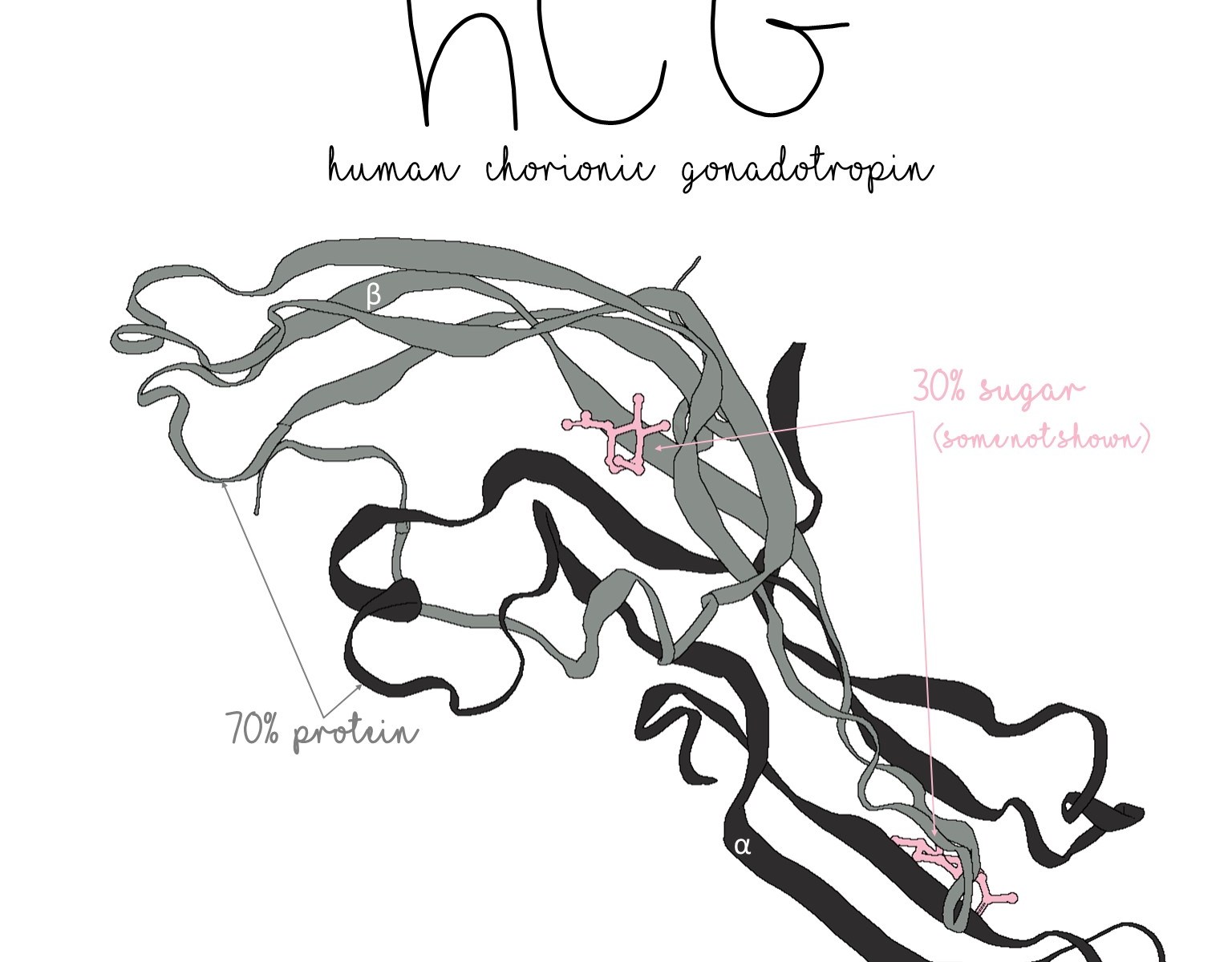
Pregnancy can be detected by looking for the glycoprotein human chorionic gonadotropin, which functions as a hormone. After an egg has been successfully fertilized, the resulting cell multiplies into a mostly hollow ball of cells called a blastula. Trophoblast cells, the cells on the exterior of the blastula, make and secrete hCG when the blastula …
Meet Flippase!
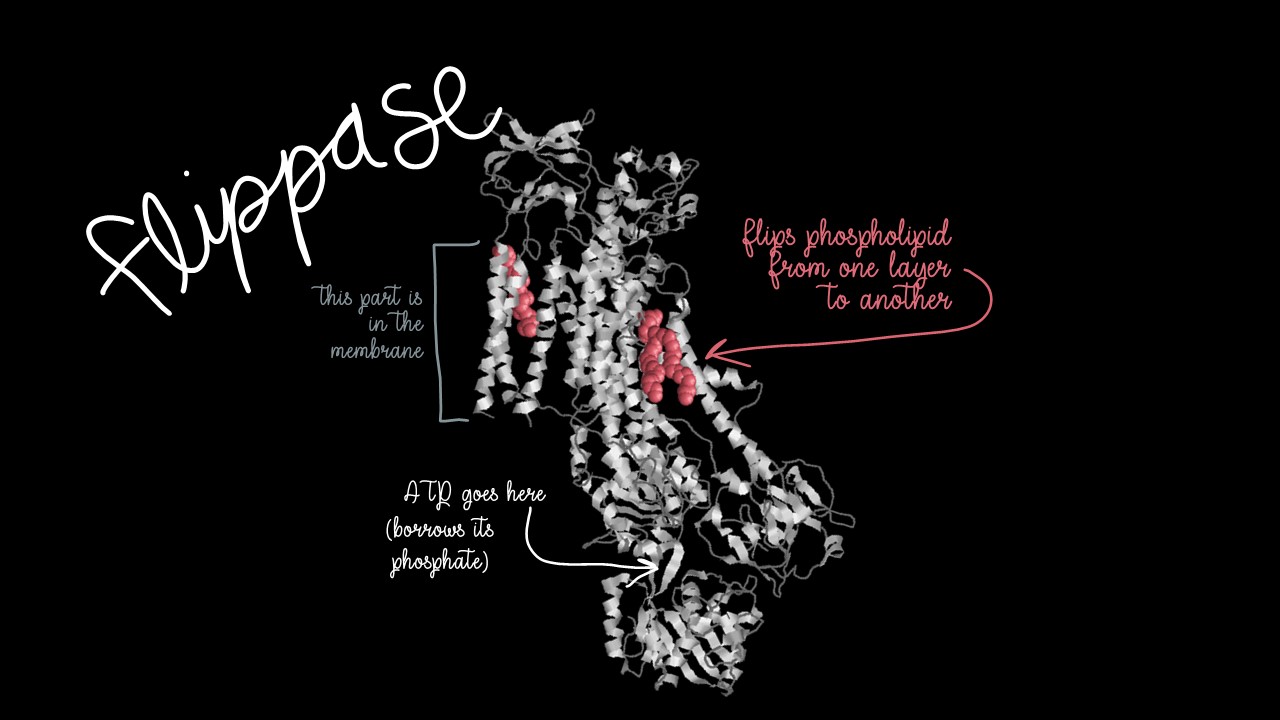
Meet P4-type ATPase, better known as Flippase! Flippase lives and works in the plasma membrane. The plasma membrane is the border between the outside and the inside of the cell made from two layers of phospholipids. (We call the membrane a "phospholipid bilayer.") Phospholipids have heads that enjoy the water, but their tails hate water. …
Meet VDAC!
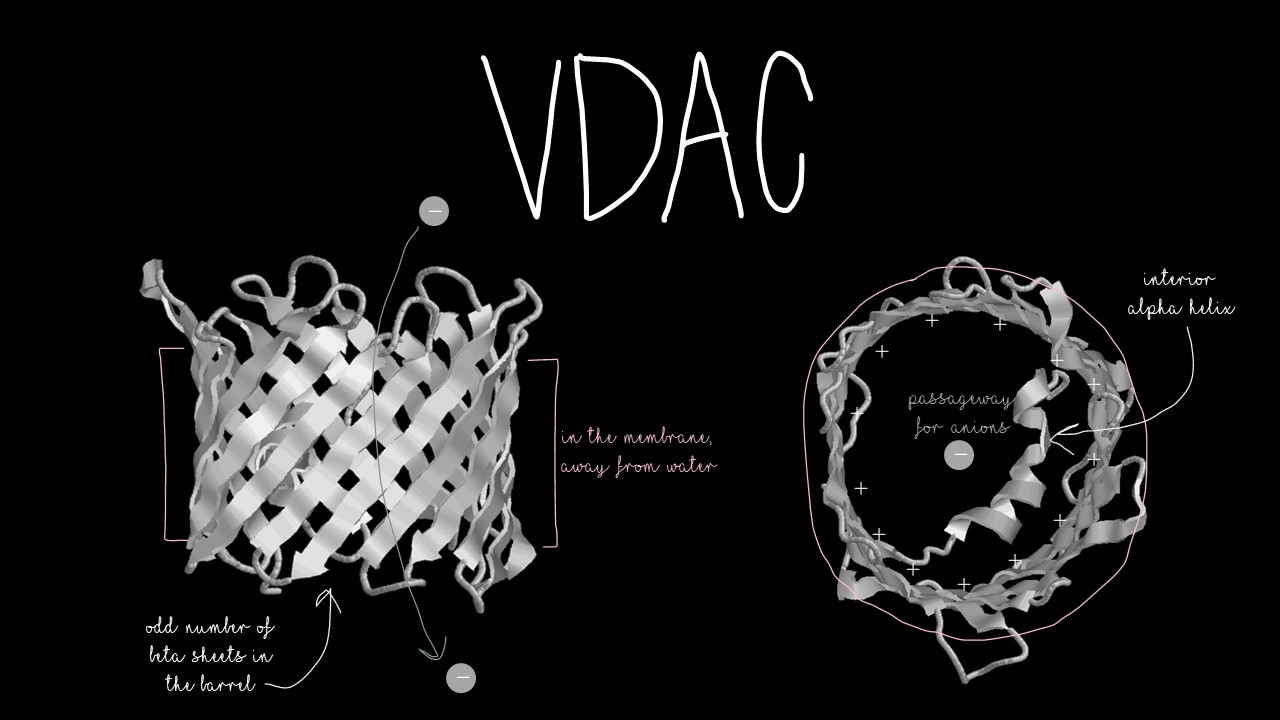
Meet Voltage-Dependent Anionic Channel! Scientists call it by its nickname, VDAC. VDAC lives in the mitochondria (that's right: the powerhouse of the cell), specifically in the outer membrane. It's the most abundant protein in the outer mitochondrial membrane and it is present in every single mitochondrion on earth. VDAC is found in the outer mitochondrial …