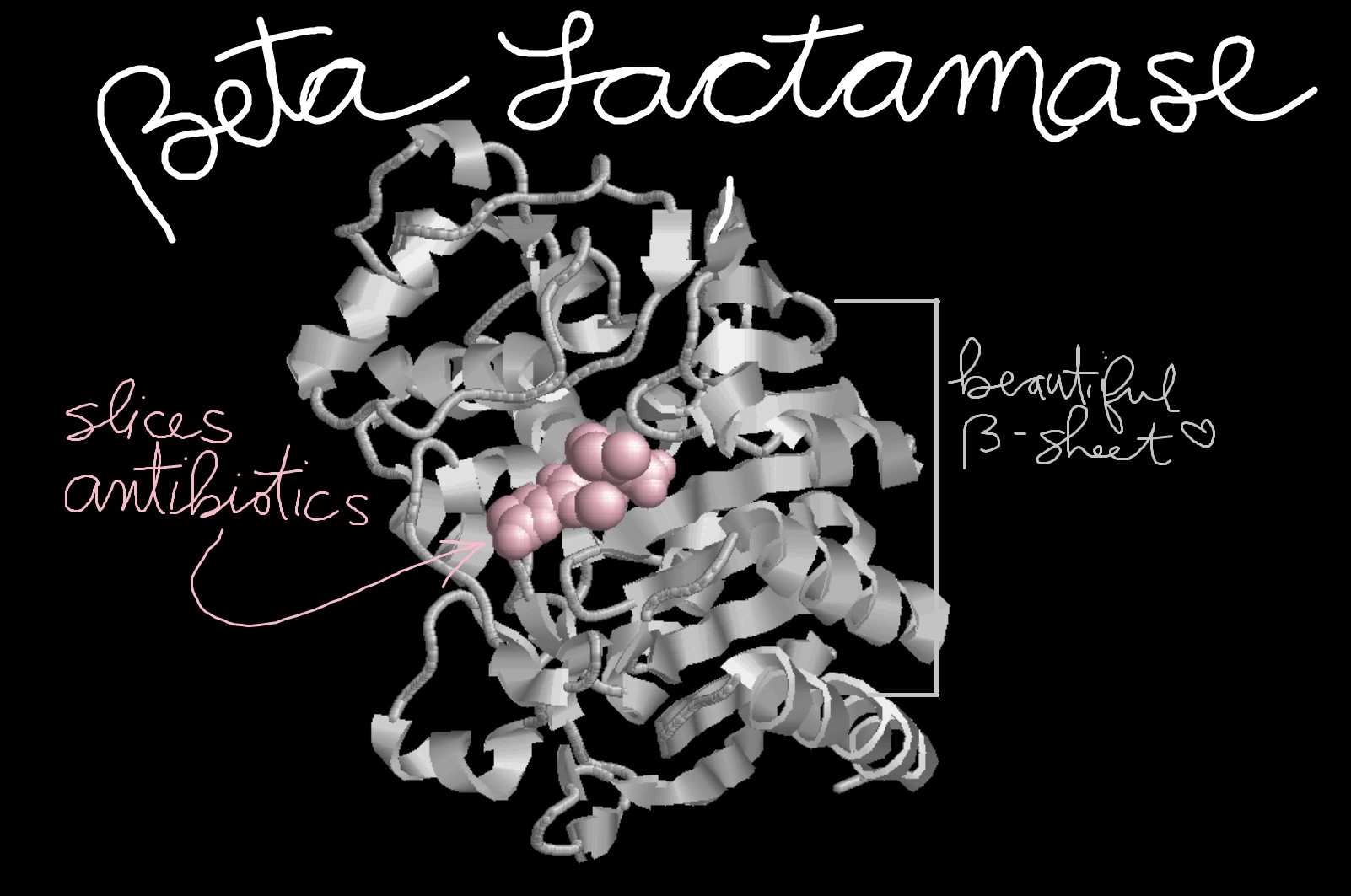
Have you ever been sick with strep-throat? Pneumonia? Food poisoning? A UTI? You visit your doctor and she says your illness is a bacterial infection, so she is prescribing you some antibiotics. She instructs you to take your entire round of antibiotics, all the way to the last dose, even if you start feeling better. …
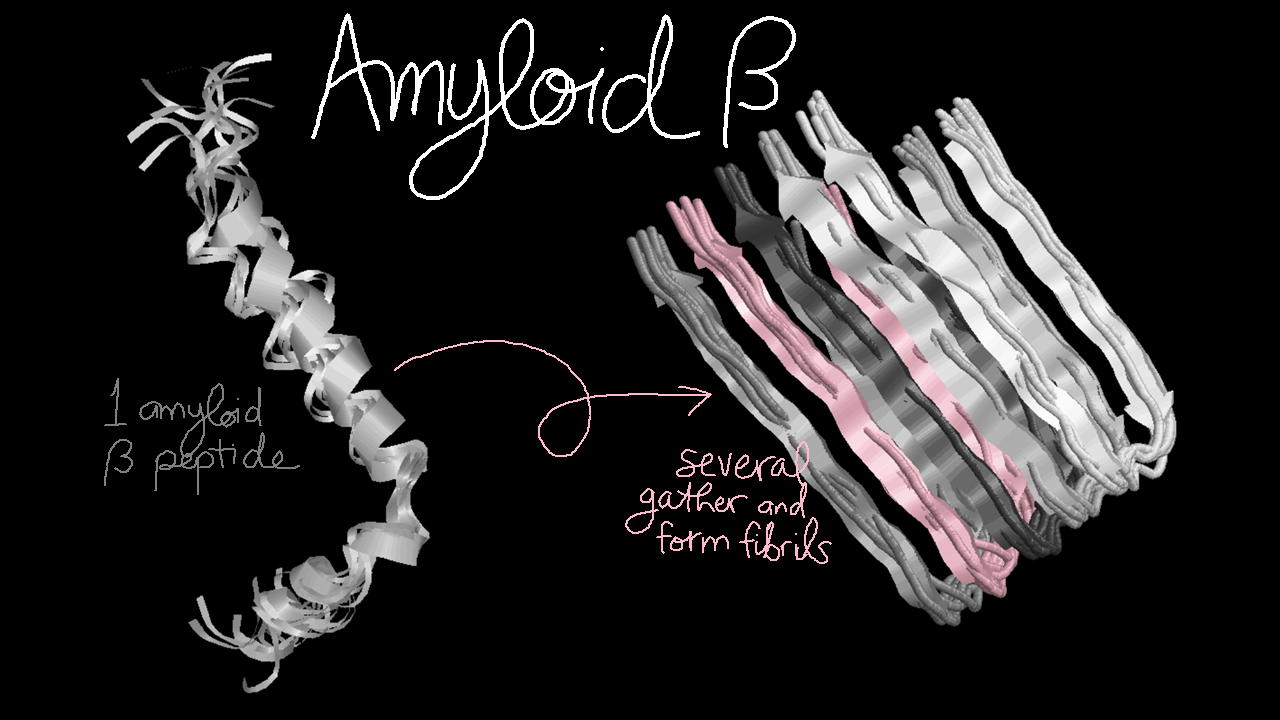
Meet Amyloid Precursor Protein!
It often goes by the nickname "APP" for short. APP has been extensively studied because of its association with Alzheimer's disease. Despite being studied so intensely, APP's role is complex and there is a lot that researchers just have not figured out yet. (But I will share some of what we do know!) APP lives …
What are you studying exactly? (i.e. What is Julia still doing in school? Part 1)
At the time of writing this, I have finished "18th grade" and I still have quite a few years ahead of me before I am done with school. Typically, as an adult, when you tell someone that you are in school, they will ask two questions: What are you studying/what are you majoring in?When will …
Continue reading "What are you studying exactly? (i.e. What is Julia still doing in school? Part 1)"
What are all those squiggly lines you keep showing us? (How to “Read” a Protein Structure)
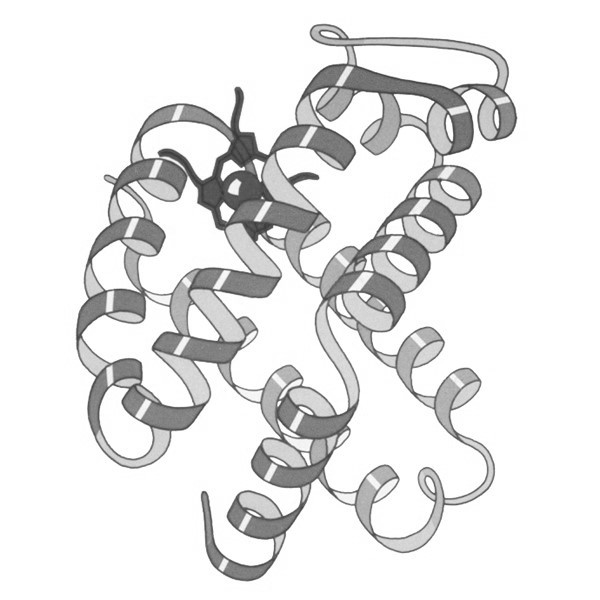
If you look at any of my posts introducing a specific protein, you will always see an image like this one: 3D Model of Hemoglobin Maybe you see these images and ask, "What are all these squiggly lines you keep showing us?" These squiggly lines are three-dimensional representations of proteins. Every protein has a structure, …
Meet Keratin!
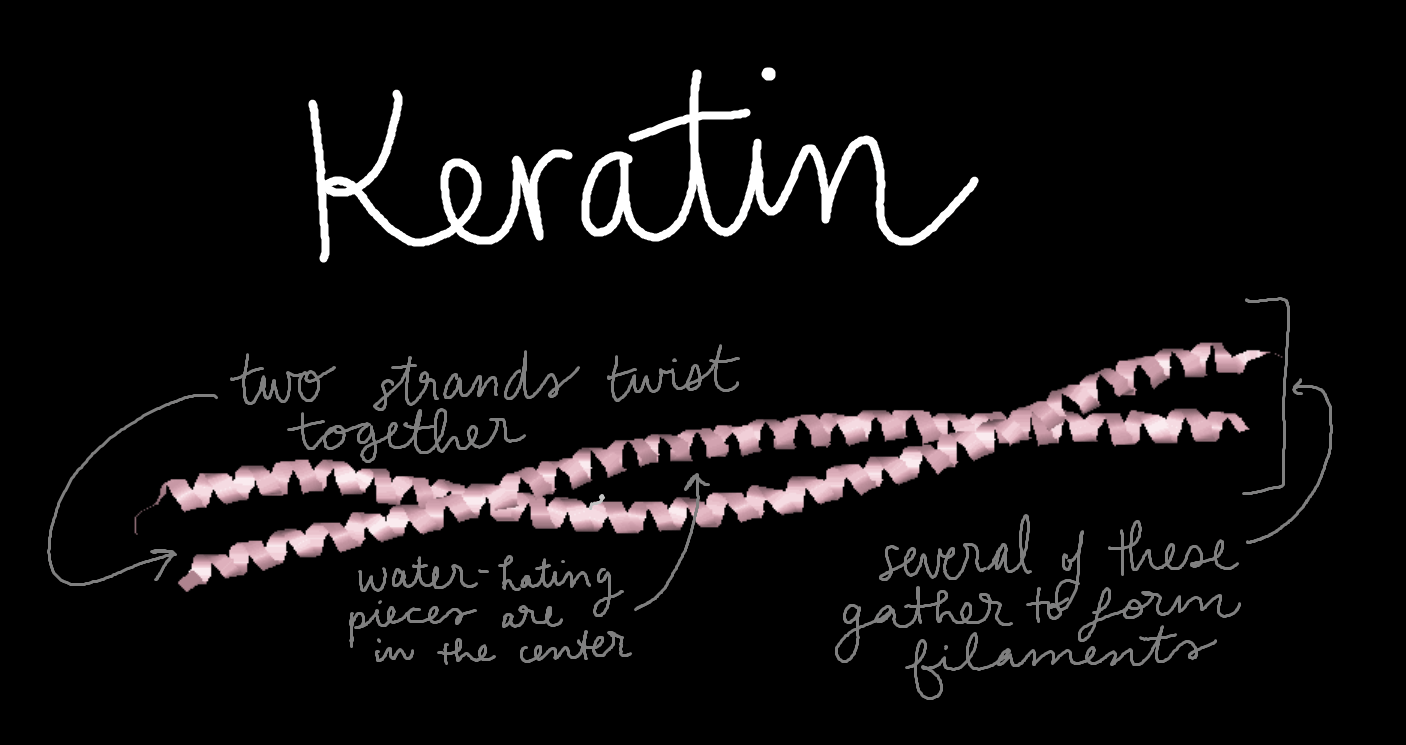
You have probably heard of keratin before--it is the protein that makes up your hair and nails. It also makes up hooves, antlers, horns, and feathers. It is classified as a filamentous protein (because it forms filaments). Keratin is found in structures such as horns, hooves, and hair. Keratin filaments look a bit like rope …
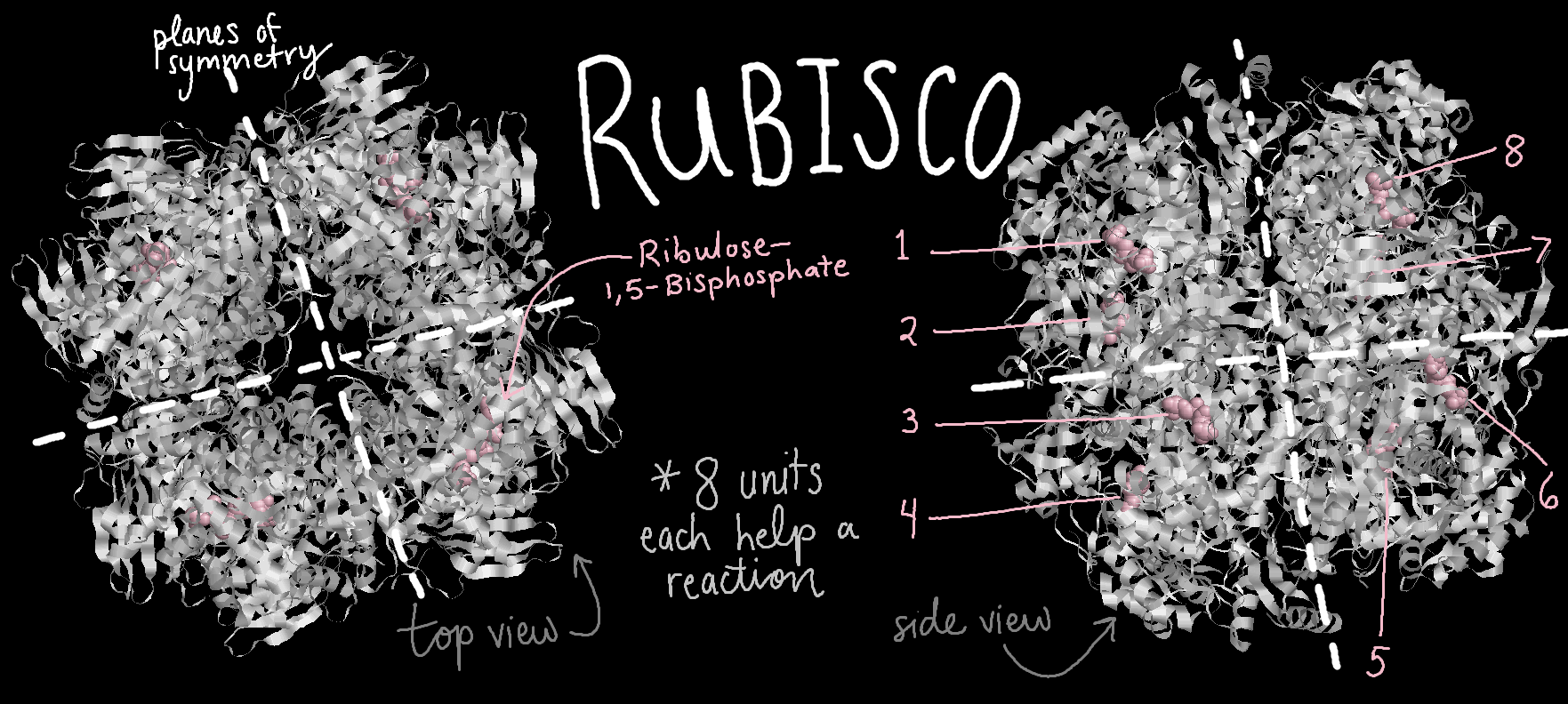
Meet Rubisco!
Rubisco is found in the chloroplasts of plant cells where it plays a key role in photosynthesis. Rubisco works in the chloroplasts of plant cells Remember that photosynthesis is the process plants (and some bacteria) use to build glucose sugar molecules using CO2 and energy from light. Plants can't just stitch a bunch of raw …